Berkshire buys nearly $20 billion of stocks, ending 14-quarter net-selling streak
Berkshire Hathaway reported second-quarter operating profit of $12.983 billion, up 16% from a year earlier, while net income attributable to shareholders reached $25.667 billion, an increase of more than 107%. The company released its latest financial results on Aug. 8, 2026. The sharp increase in net income was driven mainly by investment gains. After-tax investment gains totaled $12.684 billion in the quarter, up 155% year over year. Unrealized gains in the equity portfolio increased by about $10.9 billion, while after-tax realized investment gains were approximately $1.8 billion. In May and June, Berkshire repurchased 478 Class A shares and more than 8 million Class B shares for a total of approximately $4.5 billion. In March, Berkshire CEO Greg Abel announced that the company would restart its share-repurchase program. It was the first time Berkshire had repurchased shares in more than two years. Investors had previously reacted with little enthusiasm because the company bought back only about $234 million of its stock in the first quarter. Buffett retired in January after 60 years at the helm of Berkshire, and Abel formally became CEO. Buffett remains the company’s chairman. The latest buyback data indicates that Berkshire is seriously advancing its repurchase program, although the amount remains toward the low end of investor expectations. The market had previously expected Berkshire to repurchase between $5 billion and $11 billion of stock. Berkshire’s policy is to repurchase shares only when Abel and Buffett believe the company’s stock is trading below its intrinsic value. Unlike many companies, Berkshire does not set a fixed repurchase amount. Because the stock has just reached a 52-week high, the company may not continue repurchasing shares on a large scale for now. From 2018 through 2024, Berkshire repurchased approximately $78 billion of its own stock. In its equity investments, Berkshire was a net buyer of nearly $20 billion of stocks in the second quarter, equivalent to approximately RMB 130 billion, reversing its earlier pattern of continued selling. Before that, Berkshire had been a net seller of stocks for 14 consecutive quarters. Berkshire’s five largest equity holdings currently include Alphabet, American Express, Apple, Bank of America and Coca-Cola. The company is expected to disclose more details about its equity portfolio when it files regulatory documents next week. Google said in June that it planned to raise $80 billion through an equity issuance, including a $10 billion investment agreement with Berkshire Hathaway. In addition to buying Google stock, Berkshire spent $6.8 billion in the second quarter to acquire homebuilder Taylor Morrison. The transaction was not completed until July, however, so it was not included in the second-quarter financial data. Berkshire’s stock has risen only about 3% this year, significantly underperforming the S&P 500, which gained 13% over the same period. The stock has recovered in recent months, rising approximately 9% over the past three months.
The sharp increase in net income was driven mainly by investment gains. After-tax investment gains totaled $12.684 billion in the quarter, up 155% year over year. Unrealized gains in the equity portfolio increased by about $10.9 billion, while after-tax realized investment gains were approximately $1.8 billion.
In May and June, Berkshire repurchased 478 Class A shares and more than 8 million Class B shares for a total of approximately $4.5 billion.
In March, Berkshire CEO Greg Abel announced that the company would restart its share-repurchase program. It was the first time Berkshire had repurchased shares in more than two years. Investors had previously reacted with little enthusiasm because the company bought back only about $234 million of its stock in the first quarter.
Buffett retired in January after 60 years at the helm of Berkshire, and Abel formally became CEO. Buffett remains the company’s chairman.
The latest buyback data indicates that Berkshire is seriously advancing its repurchase program, although the amount remains toward the low end of investor expectations. The market had previously expected Berkshire to repurchase between $5 billion and $11 billion of stock.
Berkshire’s policy is to repurchase shares only when Abel and Buffett believe the company’s stock is trading below its intrinsic value. Unlike many companies, Berkshire does not set a fixed repurchase amount. Because the stock has just reached a 52-week high, the company may not continue repurchasing shares on a large scale for now.
From 2018 through 2024, Berkshire repurchased approximately $78 billion of its own stock.
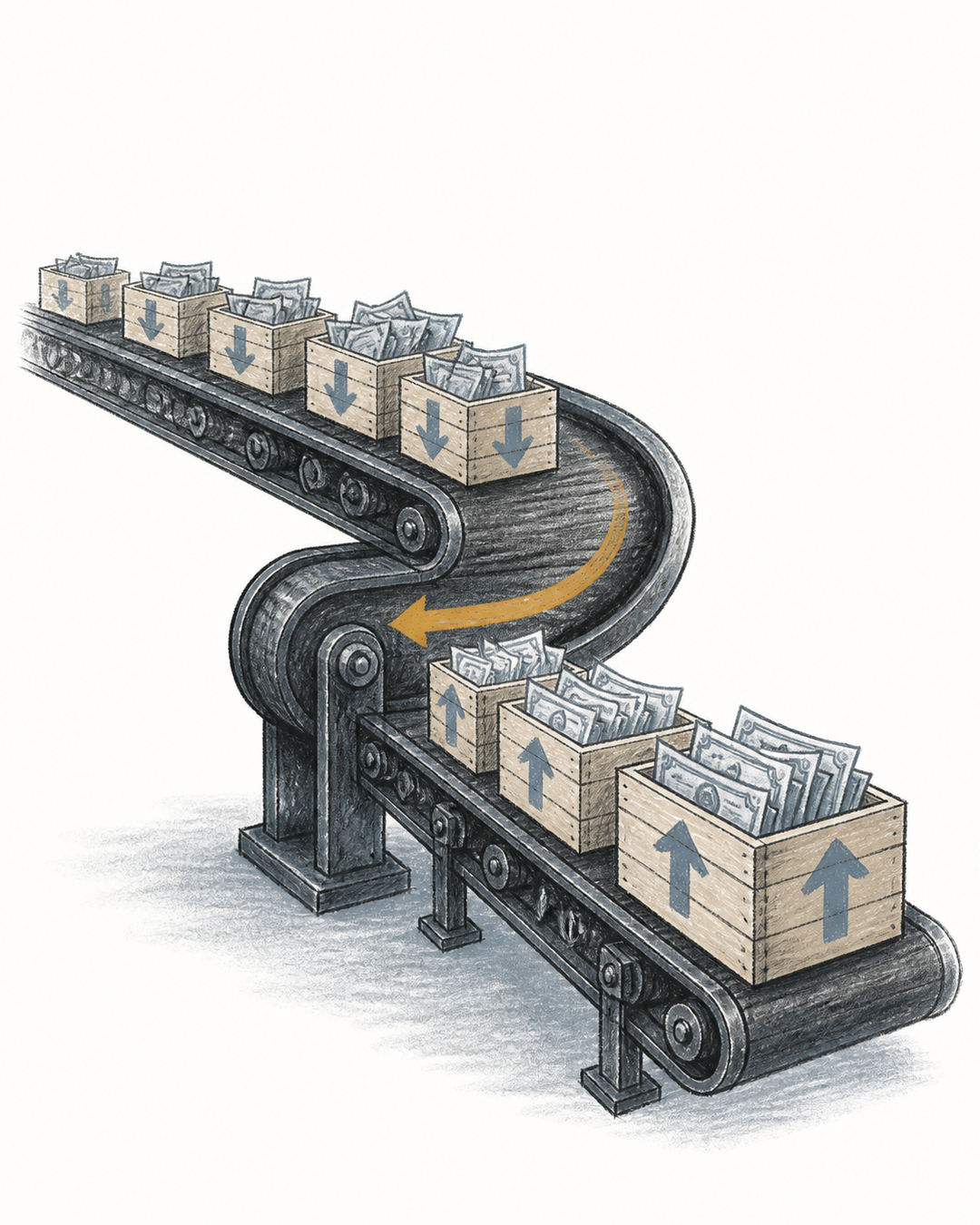
In its equity investments, Berkshire was a net buyer of nearly $20 billion of stocks in the second quarter, equivalent to approximately RMB 130 billion, reversing its earlier pattern of continued selling. Before that, Berkshire had been a net seller of stocks for 14 consecutive quarters.
Berkshire’s five largest equity holdings currently include Alphabet, American Express, Apple, Bank of America and Coca-Cola. The company is expected to disclose more details about its equity portfolio when it files regulatory documents next week.
Google said in June that it planned to raise $80 billion through an equity issuance, including a $10 billion investment agreement with Berkshire Hathaway.
In addition to buying Google stock, Berkshire spent $6.8 billion in the second quarter to acquire homebuilder Taylor Morrison. The transaction was not completed until July, however, so it was not included in the second-quarter financial data.
Berkshire’s stock has risen only about 3% this year, significantly underperforming the S&P 500, which gained 13% over the same period. The stock has recovered in recent months, rising approximately 9% over the past three months.