After leverage blowup, Silicon Valley investors back Leopold Aschenbrenner again
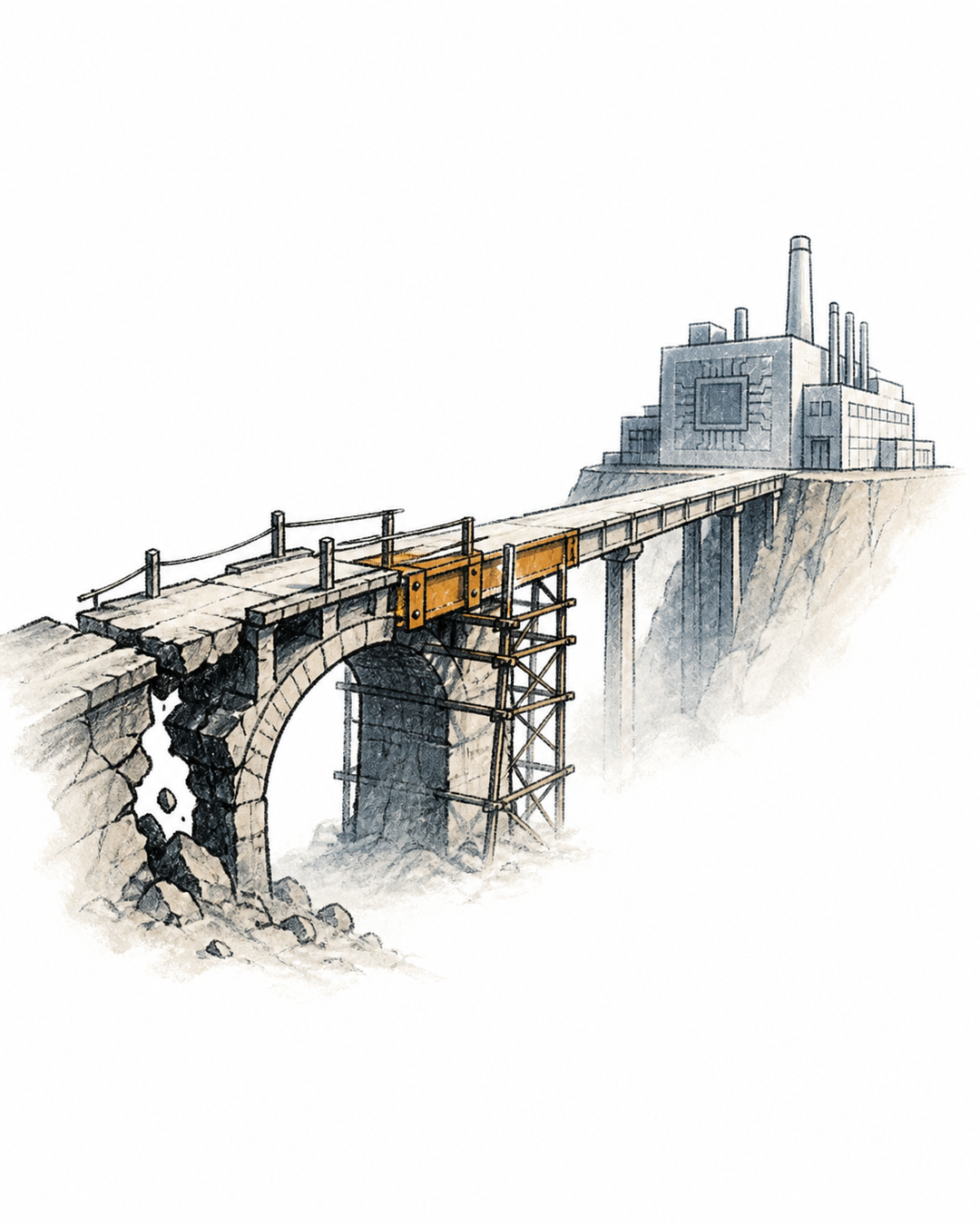
Only days after Situational Awareness, the AI hedge fund run by former OpenAI researcher Leopold Aschenbrenner, faced a blowup crisis caused by leveraged trading and was forced to sell its assets at a discount, a large number of Silicon Valley investors expressed strong interest in investing more in the fund. Situational Awareness has reportedly returned to the market and begun building positions. On July 30, the fund suffered a collapse after heavily leveraged bets on AI infrastructure stocks plunged while software stocks it had shorted rose against it. It was ultimately forced to sell its entire portfolio of publicly traded stocks at a discount to Citadel. Aschenbrenner later sent an apology letter to investors, promising to eliminate leverage entirely and start over on an unlevered basis. The crisis instead attracted a large number of Silicon Valley investors to Situational Awareness. Bloomberg reported on Aug. 8, citing several people familiar with the matter, that many Silicon Valley investors had recently contacted Aschenbrenner and clearly expressed an interest in adding to their investments. Several prominent institutions also publicly voiced support for Aschenbrenner. Pat Grady, a partner at Sequoia Capital, said he believes Aschenbrenner will play an important role in Silicon Valley over the long term. Veteran investor Elad Gil said this was the first time he had applied to invest in the fund. “Aschenbrenner took a serious hit, but that has actually brought everyone together to support him. There is something heroic about it,” said Logan Bartlett, a managing director at Redpoint Ventures. Industry observers said the response highlights a major difference between Silicon Valley and Wall Street. Gygmy Gonnot, an adjunct professor at New York University's Stern School of Business and managing director at Focus Investment Group, said Silicon Valley rewards people who correctly identify transformative technology trends, while Wall Street focuses on generating strong risk-adjusted returns while preserving capital. Aschenbrenner returned to the market only days after the blowup crisis and began building positions. According to people familiar with the matter, Situational Awareness invested an additional $400 million in semiconductor manufacturing startup Source Foundry on Aug. 4. The fund had invested $100 million in the company the previous month, bringing the two investments to $500 million. Sequoia Capital is one of the startup's investors. Industry observers said that, despite the sharp decline in the fund's assets and the effective clearance of its public-market holdings, Aschenbrenner's investment in Source Foundry shows that his conviction in the long-term value of upstream manufacturing in the AI supply chain has not been shaken by the blowup. As a former OpenAI researcher, Aschenbrenner's investment philosophy is laid out in a 165-page paper he published in 2024, “Situational Awareness: The Decade Ahead.” The paper drew widespread attention in Silicon Valley and was viewed by some investors as an “investment bible” for the AI industry. Its central argument is that artificial general intelligence, or AGI, will arrive at an exponential pace, and that the biggest constraint on an AGI takeoff is not algorithms but infrastructure such as electricity and computing power. That view was also the reason Aschenbrenner previously made highly leveraged bets on AI infrastructure stocks.
On July 30, the fund suffered a collapse after heavily leveraged bets on AI infrastructure stocks plunged while software stocks it had shorted rose against it. It was ultimately forced to sell its entire portfolio of publicly traded stocks at a discount to Citadel. Aschenbrenner later sent an apology letter to investors, promising to eliminate leverage entirely and start over on an unlevered basis.
The crisis instead attracted a large number of Silicon Valley investors to Situational Awareness. Bloomberg reported on Aug. 8, citing several people familiar with the matter, that many Silicon Valley investors had recently contacted Aschenbrenner and clearly expressed an interest in adding to their investments.
Several prominent institutions also publicly voiced support for Aschenbrenner. Pat Grady, a partner at Sequoia Capital, said he believes Aschenbrenner will play an important role in Silicon Valley over the long term. Veteran investor Elad Gil said this was the first time he had applied to invest in the fund.
“Aschenbrenner took a serious hit, but that has actually brought everyone together to support him. There is something heroic about it,” said Logan Bartlett, a managing director at Redpoint Ventures.
Industry observers said the response highlights a major difference between Silicon Valley and Wall Street. Gygmy Gonnot, an adjunct professor at New York University's Stern School of Business and managing director at Focus Investment Group, said Silicon Valley rewards people who correctly identify transformative technology trends, while Wall Street focuses on generating strong risk-adjusted returns while preserving capital.
Aschenbrenner returned to the market only days after the blowup crisis and began building positions. According to people familiar with the matter, Situational Awareness invested an additional $400 million in semiconductor manufacturing startup Source Foundry on Aug. 4. The fund had invested $100 million in the company the previous month, bringing the two investments to $500 million. Sequoia Capital is one of the startup's investors.
Industry observers said that, despite the sharp decline in the fund's assets and the effective clearance of its public-market holdings, Aschenbrenner's investment in Source Foundry shows that his conviction in the long-term value of upstream manufacturing in the AI supply chain has not been shaken by the blowup.
As a former OpenAI researcher, Aschenbrenner's investment philosophy is laid out in a 165-page paper he published in 2024, “Situational Awareness: The Decade Ahead.” The paper drew widespread attention in Silicon Valley and was viewed by some investors as an “investment bible” for the AI industry.
Its central argument is that artificial general intelligence, or AGI, will arrive at an exponential pace, and that the biggest constraint on an AGI takeoff is not algorithms but infrastructure such as electricity and computing power. That view was also the reason Aschenbrenner previously made highly leveraged bets on AI infrastructure stocks.