U.S. July CPI due Wednesday as JPMorgan maps five scenarios for stocks
Wall Street is bracing for one of the year's most important inflation reports. The data could become a key input for the Federal Reserve's decision on whether to raise interest rates in September. JPMorgan's trading desk recently warned that Wednesday's U.S. July consumer price index report could send the S&P 500 up or down by as much as 2% on the day. Because the CPI release comes just weeks before the Fed's September policy meeting, the report carries added significance. Fed Chair Kevin Warsh has made clear that the central bank's commitment to its 2% inflation target is absolute. The U.S. will release its July CPI report at 8:30 p.m. Beijing time on Wednesday. The market broadly expects headline CPI to slow to 3.4% year over year from 3.5% in June, while rising 0.1% month over month. Core CPI, which excludes volatile food and energy prices, is expected to ease to 2.5% from 2.6%, with a 0.2% month-over-month increase. How will the S&P 500 react after the CPI release? JPMorgan has outlined five possible scenarios. The most likely outcome, assigned a 40% probability, is core inflation of 0.2% to 0.25%, which JPMorgan expects would drive the S&P 500 up 0.25% to 0.75%. Tail risks are also significant. Core CPI above 0.3%, assigned a probability of just 5%, could trigger a 1.5% to 2.5% stock-market selloff. Core CPI below 0.15%, also assigned a 5% probability, could instead lift stocks by 1% to 2%. If core inflation comes in at 0.25% to 0.3%, a scenario assigned a 25% probability, the S&P 500 is expected to fall 0.5% to 1.25%. If core inflation lands between 0.15% and 0.2%, also assigned a 25% probability, the index is expected to rise 0.5% to 1%. "The U.S. has dodged the worst of the inflation surge triggered by the conflict in the Middle East. What the market wants to see now is whether core inflation remains stubborn or whether another cooling trend may be emerging," JPMorgan's trading desk wrote in a report to clients. Why July CPI may matter more than payrolls The CPI report due Wednesday is especially important because Fed Chair Warsh has insisted that there is no room to compromise on the 2% inflation target, while federal-funds futures put the probability of a September rate hike slightly above 50%. According to CME FedWatch, the probability that the Fed will leave rates unchanged through September is 48.8%, while the probability of a cumulative 25-basis-point rate hike is 51.2%. A weaker-than-expected CPI report could cause the rate-hike probability to fall significantly; a stronger-than-expected reading could further reinforce expectations for a hike. The July payrolls report released last Friday showed an unexpected decline in U.S. jobs, while job-growth figures for the previous two months were sharply revised lower. The data weakened financial-market expectations for a rate hike at the Fed's next meeting. Bank of America, however, believes the Fed may place far more weight on this week's inflation data than on last Friday's weak employment report. BofA characterized the July employment data as "broadly dovish" but said it was not enough to change its forecast that the Fed will begin raising rates in September. On Monday, Fed officials took a hawkish stance. Cleveland Fed President Beth Hammack said the central bank may need multiple rate hikes to bring inflation down to its 2% target. Two weeks ago, the Fed left rates unchanged, with Hammack and two other voting members dissenting. In addition to the main CPI release, several other economic reports are due this week. July producer prices will be released Thursday, offering a supplementary view of price pressures from the production side. Although PPI typically has less market impact than CPI, a significant upside surprise could intensify concerns that inflation remains elevated. Friday's July retail-sales report will add another variable to the market's assessment. Strong consumer spending would signal economic resilience and give the Fed more reason to maintain tight policy, while weak data would support the view that the economy is slowing and that a rate hike is becoming less necessary.
The U.S. will release its July CPI report at 8:30 p.m. Beijing time on Wednesday. The market broadly expects headline CPI to slow to 3.4% year over year from 3.5% in June, while rising 0.1% month over month. Core CPI, which excludes volatile food and energy prices, is expected to ease to 2.5% from 2.6%, with a 0.2% month-over-month increase.
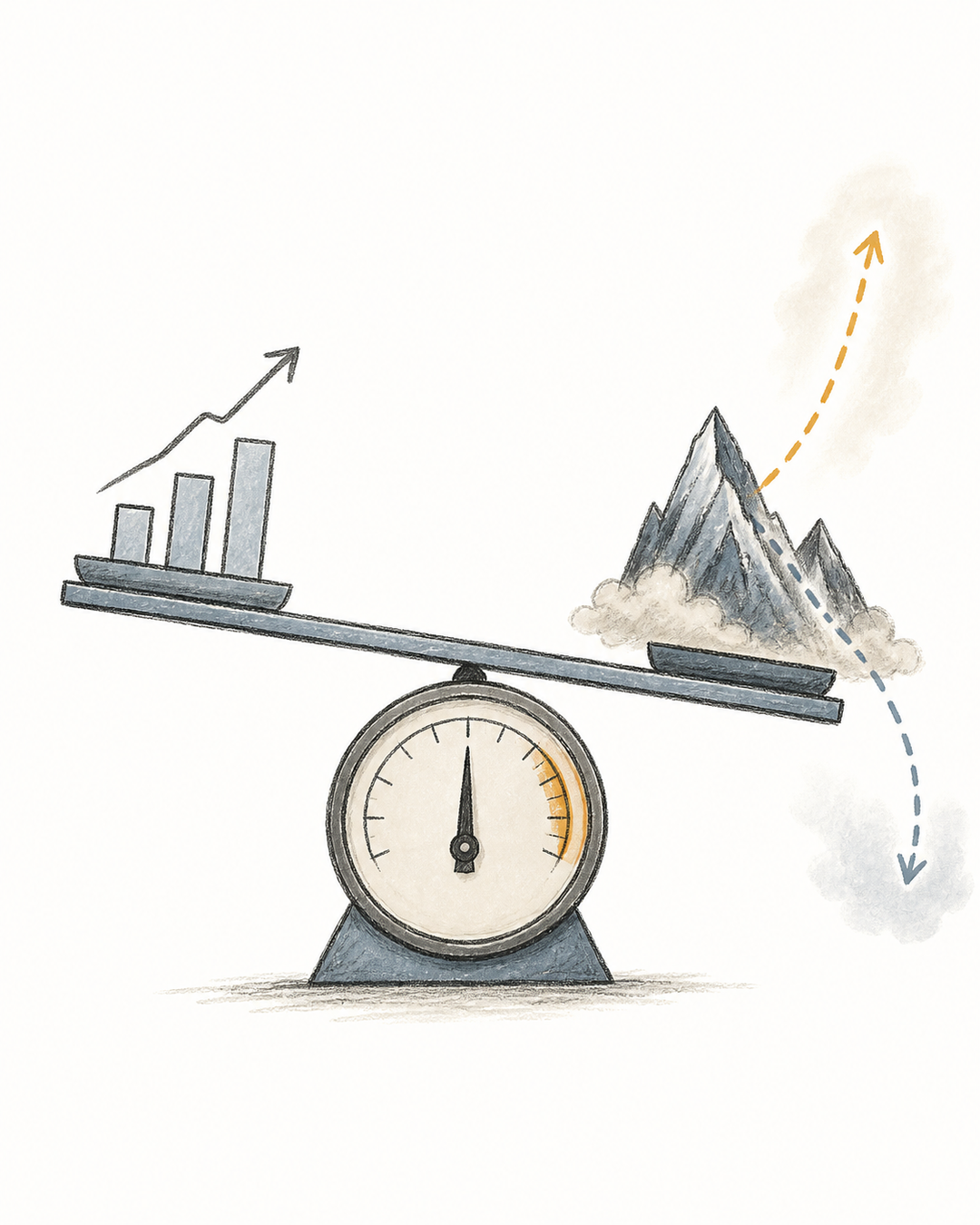
How will the S&P 500 react after the CPI release? JPMorgan has outlined five possible scenarios.
The most likely outcome, assigned a 40% probability, is core inflation of 0.2% to 0.25%, which JPMorgan expects would drive the S&P 500 up 0.25% to 0.75%.
Tail risks are also significant. Core CPI above 0.3%, assigned a probability of just 5%, could trigger a 1.5% to 2.5% stock-market selloff. Core CPI below 0.15%, also assigned a 5% probability, could instead lift stocks by 1% to 2%.
If core inflation comes in at 0.25% to 0.3%, a scenario assigned a 25% probability, the S&P 500 is expected to fall 0.5% to 1.25%. If core inflation lands between 0.15% and 0.2%, also assigned a 25% probability, the index is expected to rise 0.5% to 1%.
"The U.S. has dodged the worst of the inflation surge triggered by the conflict in the Middle East. What the market wants to see now is whether core inflation remains stubborn or whether another cooling trend may be emerging," JPMorgan's trading desk wrote in a report to clients.
Why July CPI may matter more than payrolls
The CPI report due Wednesday is especially important because Fed Chair Warsh has insisted that there is no room to compromise on the 2% inflation target, while federal-funds futures put the probability of a September rate hike slightly above 50%.
According to CME FedWatch, the probability that the Fed will leave rates unchanged through September is 48.8%, while the probability of a cumulative 25-basis-point rate hike is 51.2%. A weaker-than-expected CPI report could cause the rate-hike probability to fall significantly; a stronger-than-expected reading could further reinforce expectations for a hike.
The July payrolls report released last Friday showed an unexpected decline in U.S. jobs, while job-growth figures for the previous two months were sharply revised lower. The data weakened financial-market expectations for a rate hike at the Fed's next meeting.
Bank of America, however, believes the Fed may place far more weight on this week's inflation data than on last Friday's weak employment report. BofA characterized the July employment data as "broadly dovish" but said it was not enough to change its forecast that the Fed will begin raising rates in September.
On Monday, Fed officials took a hawkish stance. Cleveland Fed President Beth Hammack said the central bank may need multiple rate hikes to bring inflation down to its 2% target. Two weeks ago, the Fed left rates unchanged, with Hammack and two other voting members dissenting.
In addition to the main CPI release, several other economic reports are due this week. July producer prices will be released Thursday, offering a supplementary view of price pressures from the production side. Although PPI typically has less market impact than CPI, a significant upside surprise could intensify concerns that inflation remains elevated.
Friday's July retail-sales report will add another variable to the market's assessment. Strong consumer spending would signal economic resilience and give the Fed more reason to maintain tight policy, while weak data would support the view that the economy is slowing and that a rate hike is becoming less necessary.