Nvidia finalizes framework for $500 billion financing plan as Huang calls chips an investable asset
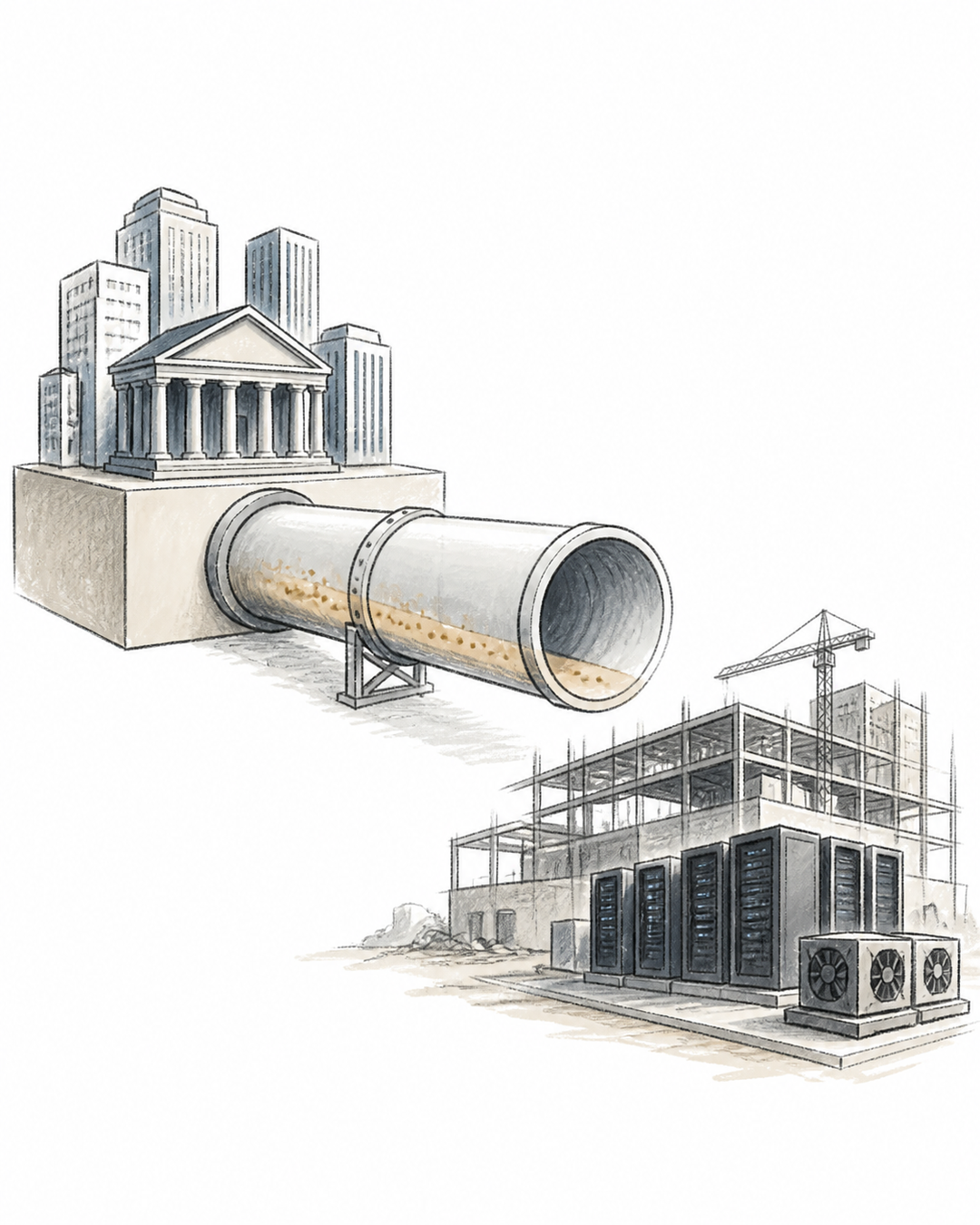
Nvidia is seeking to turn AI chips into a new asset class on Wall Street through a financing plan that could mobilize more than $500 billion in third-party capital. The company said Monday that it had signed memorandums of understanding with Apollo Global Management, Blackstone, BlackRock, Brookfield Asset Management, Goldman Sachs and KKR to establish a financing platform for Nvidia customers. The platform is intended to provide funding to hyperscale cloud providers, frontier AI labs and enterprises to build data centers and purchase Nvidia hardware. Seven executives from the institutions participated in a rare joint livestream interview hosted by Becky Quick to discuss the announcement. The structure is designed to bring institutional credit, insurance capital and private capital into financing GPUs and data centers, allowing end customers to raise funds without using their own balance sheets. The initiative could reshape how AI infrastructure is financed. Nvidia is comparing computing infrastructure with assets such as commercial real estate and toll roads that can be used as collateral for borrowing. “Technology chips becoming an investable asset class is unprecedented in history,” Nvidia founder and CEO Jensen Huang said in the interview. “This hardware can now generate recurring returns; it is productive, has a long useful life, is interchangeable and has flexible applications.” Huang said Nvidia hardware is widely adopted and can move among different customers, allowing lenders to reasonably view computing capacity as a long-lived, cash-generating asset when extending credit. The move challenges the longstanding market view that GPUs are rapidly depreciating hardware by treating AI computing as infrastructure with long-term financing value. Skeptics, however, say it remains uncertain whether AI chips can retain their value as new generations are introduced. “The most fundamental change in this industry and this computing model is that computing has become part of the infrastructure, like electricity and the internet,” Huang said. “Everyone must view computing from an infrastructure perspective.” Alternative asset managers have been actively investing in digital infrastructure, using institutional and insurance capital to finance projects. Apollo, Blackstone and other firms have previously arranged debt and equity financing for several AI companies, including Anthropic. The financing plan comes after a global market pullback in July, when investors began questioning whether the AI spending of large technology companies would produce returns. Hyperscale cloud providers plan to spend hundreds of billions of dollars expanding data centers and hardware. Ratings firms including Moody’s have warned that unprecedented capital spending is squeezing the free cash flow of technology giants and forcing companies to take on substantially more debt. BlackRock CEO Larry Fink, Blackstone President Jon Gray and Goldman Sachs CEO David Solomon said in a Monday news release that computing has rapidly become a core asset class that will drive the next phase of global economic growth. “We are at a critical point in a historic AI investment cycle,” Solomon said in the announcement. “This investment and distribution arrangement reflects our confidence in Nvidia’s position as an industry leader. We look forward to opening a new market and creating credit products backed by Nvidia computing as the underlying asset.” Solomon told Quick that Huang had approached major Wall Street firms with the financing concept. Gray said during the livestream that AI computing could become an asset class evaluated in a manner similar to how mortgage lenders assess residential property. He said demand for AI already far exceeds supply and that AI usage among companies in Blackstone’s portfolio had increased sevenfold this year. Fink said the project could open a new wave of financial innovation comparable to the creation of mortgage-backed securities in the 1970s. Some funding has already been raised, but BlackRock plans to continue raising capital at a large scale. “We must raise the money and put it to work as quickly as possible. It is critical if the United States wants to maintain its position as the global AI leader,” Fink said on the program.
The company said Monday that it had signed memorandums of understanding with Apollo Global Management, Blackstone, BlackRock, Brookfield Asset Management, Goldman Sachs and KKR to establish a financing platform for Nvidia customers. The platform is intended to provide funding to hyperscale cloud providers, frontier AI labs and enterprises to build data centers and purchase Nvidia hardware.
Seven executives from the institutions participated in a rare joint livestream interview hosted by Becky Quick to discuss the announcement. The structure is designed to bring institutional credit, insurance capital and private capital into financing GPUs and data centers, allowing end customers to raise funds without using their own balance sheets.
The initiative could reshape how AI infrastructure is financed. Nvidia is comparing computing infrastructure with assets such as commercial real estate and toll roads that can be used as collateral for borrowing.
“Technology chips becoming an investable asset class is unprecedented in history,” Nvidia founder and CEO Jensen Huang said in the interview. “This hardware can now generate recurring returns; it is productive, has a long useful life, is interchangeable and has flexible applications.”
Huang said Nvidia hardware is widely adopted and can move among different customers, allowing lenders to reasonably view computing capacity as a long-lived, cash-generating asset when extending credit.
The move challenges the longstanding market view that GPUs are rapidly depreciating hardware by treating AI computing as infrastructure with long-term financing value. Skeptics, however, say it remains uncertain whether AI chips can retain their value as new generations are introduced.
“The most fundamental change in this industry and this computing model is that computing has become part of the infrastructure, like electricity and the internet,” Huang said. “Everyone must view computing from an infrastructure perspective.”
Alternative asset managers have been actively investing in digital infrastructure, using institutional and insurance capital to finance projects. Apollo, Blackstone and other firms have previously arranged debt and equity financing for several AI companies, including Anthropic.
The financing plan comes after a global market pullback in July, when investors began questioning whether the AI spending of large technology companies would produce returns. Hyperscale cloud providers plan to spend hundreds of billions of dollars expanding data centers and hardware. Ratings firms including Moody’s have warned that unprecedented capital spending is squeezing the free cash flow of technology giants and forcing companies to take on substantially more debt.
BlackRock CEO Larry Fink, Blackstone President Jon Gray and Goldman Sachs CEO David Solomon said in a Monday news release that computing has rapidly become a core asset class that will drive the next phase of global economic growth.
“We are at a critical point in a historic AI investment cycle,” Solomon said in the announcement. “This investment and distribution arrangement reflects our confidence in Nvidia’s position as an industry leader. We look forward to opening a new market and creating credit products backed by Nvidia computing as the underlying asset.”
Solomon told Quick that Huang had approached major Wall Street firms with the financing concept.
Gray said during the livestream that AI computing could become an asset class evaluated in a manner similar to how mortgage lenders assess residential property. He said demand for AI already far exceeds supply and that AI usage among companies in Blackstone’s portfolio had increased sevenfold this year.
Fink said the project could open a new wave of financial innovation comparable to the creation of mortgage-backed securities in the 1970s. Some funding has already been raised, but BlackRock plans to continue raising capital at a large scale.
“We must raise the money and put it to work as quickly as possible. It is critical if the United States wants to maintain its position as the global AI leader,” Fink said on the program.