SEC plans crypto issuance rules and exemption that could clear path for stock-token trading
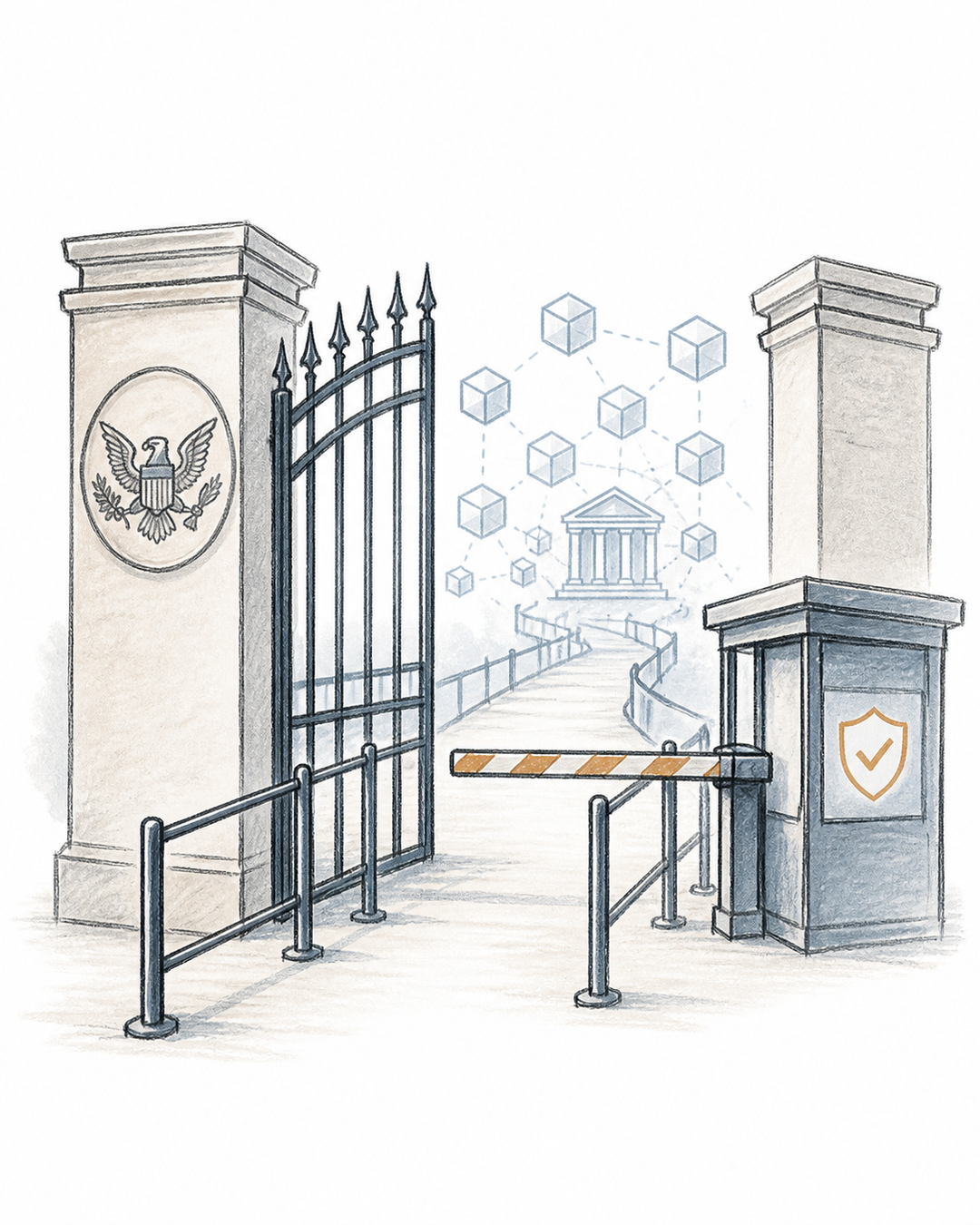
The U.S. Securities and Exchange Commission is preparing two major initiatives in the coming days that could further advance the U.S. cryptocurrency industry. The agency said it will hold a public meeting Friday to establish “a tailored issuance regime for certain investment contracts involving crypto assets.” It also plans to soon announce a so-called “innovation exemption” for trading digital versions of securities. The move could reshape U.S. equity markets and pave the way for stock tokens to trade around the clock on a blockchain. Details of the exemption for tokenized stocks could be released as early as Friday, according to people familiar with the agency’s plans. SEC officials are still refining the proposal, and the details could change before its formal release, the people said. One concern is that the tokens could ultimately fall into the hands of overseas bad actors who exploit vulnerabilities in blockchain technology to evade U.S. regulation. The plan’s new elements could tighten controls on such transactions and add safeguards including anti-money-laundering measures, the people said. One example would be requiring platforms that trade digital tokens to be U.S. entities.
The agency said it will hold a public meeting Friday to establish “a tailored issuance regime for certain investment contracts involving crypto assets.” It also plans to soon announce a so-called “innovation exemption” for trading digital versions of securities. The move could reshape U.S. equity markets and pave the way for stock tokens to trade around the clock on a blockchain.
Details of the exemption for tokenized stocks could be released as early as Friday, according to people familiar with the agency’s plans. SEC officials are still refining the proposal, and the details could change before its formal release, the people said.
One concern is that the tokens could ultimately fall into the hands of overseas bad actors who exploit vulnerabilities in blockchain technology to evade U.S. regulation. The plan’s new elements could tighten controls on such transactions and add safeguards including anti-money-laundering measures, the people said. One example would be requiring platforms that trade digital tokens to be U.S. entities.