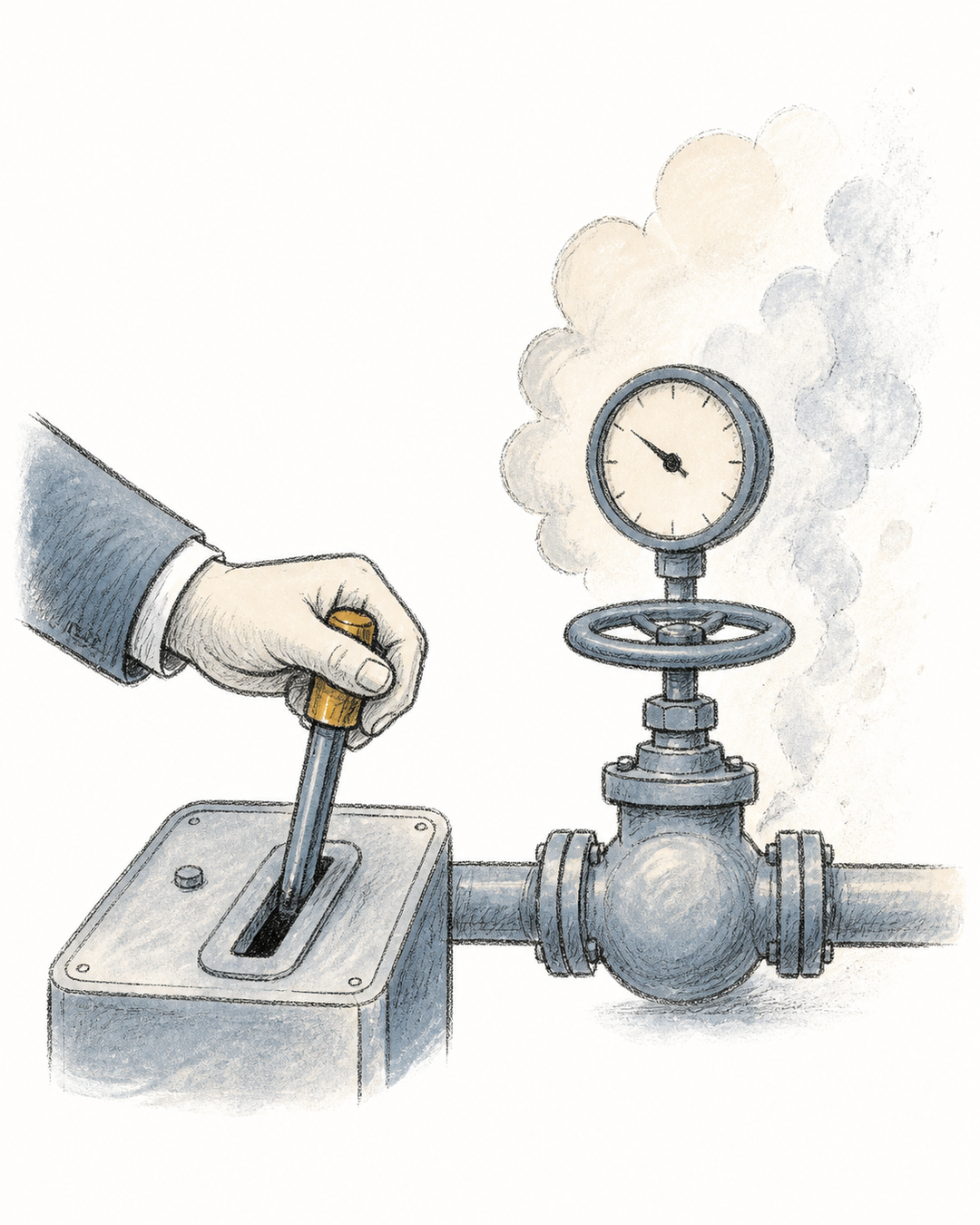
Goldman Sachs says Fed may hold rates steady throughout 2026 as inflation eases
Matheus Dibo, Goldman Sachs' head of investment strategy for Europe, the Middle East and Africa, said the Federal Reserve is likely to keep interest rates unchanged throughout 2026 and that inflation risks should ease in the second half of the year. “Clearly, the market is still pricing in expectations for rate hikes, but we actually disagree with that view and believe the Fed will keep rates unchanged for the foreseeable future,” Dibo said in an interview Wednesday. Dibo said inflation data released earlier this year were driven by oil prices, the World Cup and tariffs. But there is currently little sign that inflation will broaden during the rest of 2026, he said. He added that housing inflation should ease, given trends in the housing market. “We don’t think wages will be a major source of inflationary pressure because the U.S. labor market is far from booming,” he said. After the release of last week’s U.S. jobs report, investors were still trying to determine the current state of the economy, Dibo said. But “the U.S. labor market appears to be in a state of equilibrium — a labor market that is neither hiring nor laying off,” he said. The Federal Reserve has the ability to wait and watch the data before taking action, Dibo said. Traders currently see about a 50% probability of a 25-basis-point rate hike in September. Economists expect core consumer prices to rise 0.1% month over month, after the previous reading unexpectedly fell 0.4%. “We fully acknowledge that the risks are skewed toward a rate hike, especially if the next few inflation readings come in unexpectedly above expectations.”
“Clearly, the market is still pricing in expectations for rate hikes, but we actually disagree with that view and believe the Fed will keep rates unchanged for the foreseeable future,” Dibo said in an interview Wednesday.
Dibo said inflation data released earlier this year were driven by oil prices, the World Cup and tariffs. But there is currently little sign that inflation will broaden during the rest of 2026, he said.
He added that housing inflation should ease, given trends in the housing market.
“We don’t think wages will be a major source of inflationary pressure because the U.S. labor market is far from booming,” he said.
After the release of last week’s U.S. jobs report, investors were still trying to determine the current state of the economy, Dibo said. But “the U.S. labor market appears to be in a state of equilibrium — a labor market that is neither hiring nor laying off,” he said.
The Federal Reserve has the ability to wait and watch the data before taking action, Dibo said.
Traders currently see about a 50% probability of a 25-basis-point rate hike in September.
Economists expect core consumer prices to rise 0.1% month over month, after the previous reading unexpectedly fell 0.4%.
“We fully acknowledge that the risks are skewed toward a rate hike, especially if the next few inflation readings come in unexpectedly above expectations.”