Google wearable feature will track insulin resistance, not glucose directly
Alphabet-owned Google said Wednesday that it will introduce a series of new health features for its wearable devices, led by a tool designed to track insulin resistance over the long term. The move marks another step by a consumer technology company toward more comprehensive blood-glucose monitoring. The feature will not continuously monitor or directly display blood-glucose levels. Continuous glucose monitoring would represent a major breakthrough. Instead, Google will combine artificial intelligence with data from multiple sensors—including an accelerometer, barometer, heart-rate sensor and skin-temperature sensor—to assess the body's metabolic burden as it processes food and indirectly track changes in insulin resistance. If the system detects a significant change in a user's insulin resistance, the Google Health app will send an alert recommending lifestyle adjustments or a consultation with a doctor. Insulin resistance that remains untreated over the long term may progress to prediabetes or Type 2 diabetes. Alongside insulin-resistance tracking, Google is introducing blood-pressure trend monitoring and nighttime breathing-pattern analysis. The company is combining the new tools with its existing health capabilities in a suite called Health Guardian, designed to help users detect subtle physiological changes earlier and use that information to improve their habits. The features will become available later and will be introduced alongside Google's new Pixel smartphones in New York. Google said they will first come to the Pixel Watch 5 and Fitbit Air before gradually expanding to other devices.
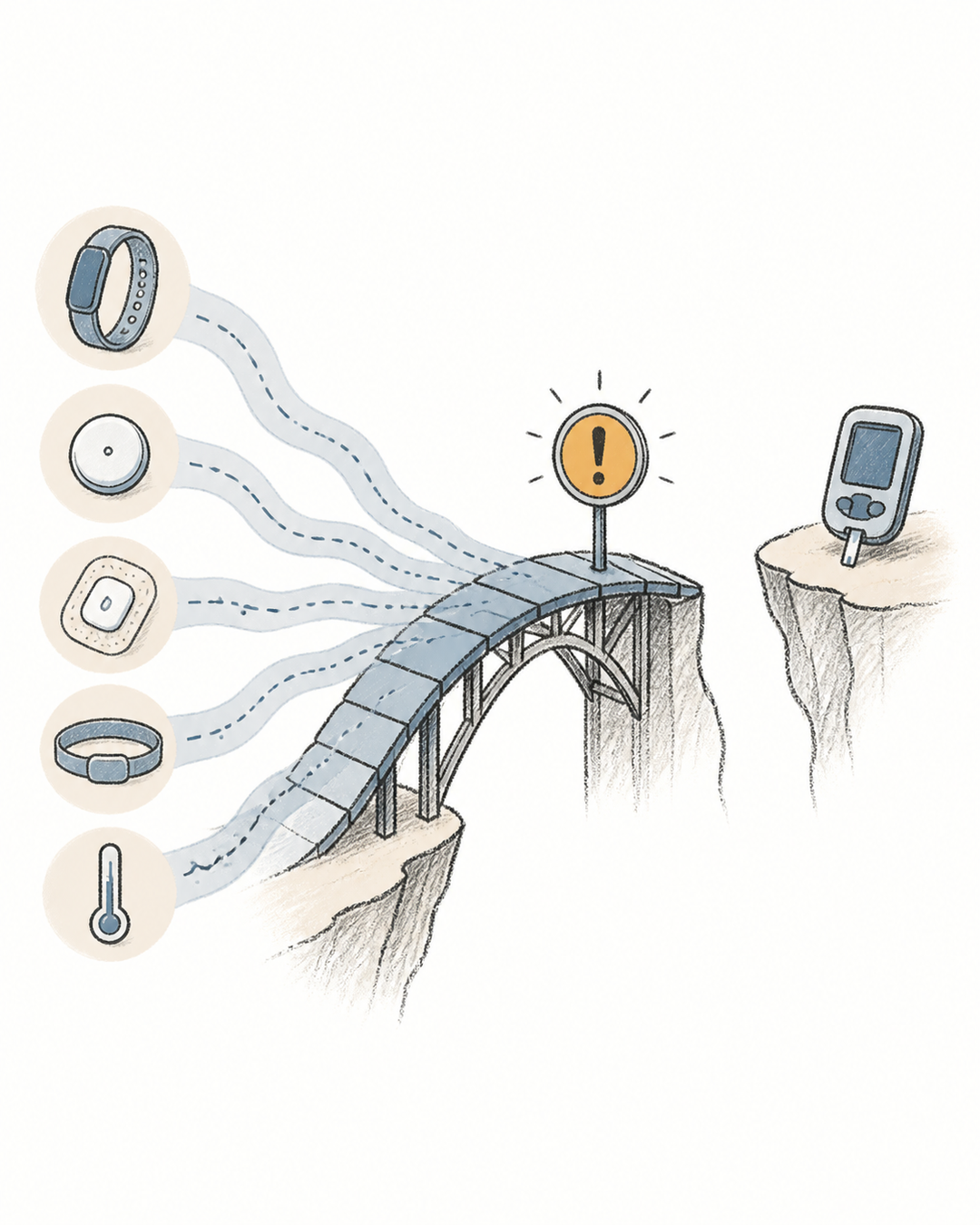
The feature will not continuously monitor or directly display blood-glucose levels. Continuous glucose monitoring would represent a major breakthrough. Instead, Google will combine artificial intelligence with data from multiple sensors—including an accelerometer, barometer, heart-rate sensor and skin-temperature sensor—to assess the body's metabolic burden as it processes food and indirectly track changes in insulin resistance.
If the system detects a significant change in a user's insulin resistance, the Google Health app will send an alert recommending lifestyle adjustments or a consultation with a doctor. Insulin resistance that remains untreated over the long term may progress to prediabetes or Type 2 diabetes.
Alongside insulin-resistance tracking, Google is introducing blood-pressure trend monitoring and nighttime breathing-pattern analysis. The company is combining the new tools with its existing health capabilities in a suite called Health Guardian, designed to help users detect subtle physiological changes earlier and use that information to improve their habits.
The features will become available later and will be introduced alongside Google's new Pixel smartphones in New York. Google said they will first come to the Pixel Watch 5 and Fitbit Air before gradually expanding to other devices.