India’s July Inflation Rises to 4.45%, Strengthening Bets on a Year-End Rate Hike
India’s consumer price index rose 4.45% year over year in July, up from 4.38% in June and marking a ninth consecutive monthly increase. The data further strengthened market expectations that the Reserve Bank of India will raise interest rates later this year. The reading was slightly below economists’ previous forecast of 4.50%. Food and transportation prices lead the increase Data from India’s Ministry of Statistics and Programme Implementation showed that food inflation rose 5.5% in July, while inflation for personal transportation and freight transportation both exceeded 7%. India relies heavily on imported energy, with imports accounting for about 85% of its fuel demand. Its supply chains also pass through the Strait of Hormuz, leaving the country particularly vulnerable to global energy-supply disruptions caused by the current conflict in the Middle East. Attacks on vessels in the Red Sea and the Gulf of Oman have pushed up international oil prices, which rose again Wednesday to around $90 a barrel. The Reserve Bank of India, or RBI, chose to keep its benchmark interest rate unchanged earlier this month, while several Asian countries have already begun raising rates in response to the energy shock. RBI Governor Sanjay Malhotra said headline inflation had moved above the 4% target, while core inflation remained “moderate.” He also said India’s economic growth remained resilient, but the outlook was “rather hazy” because of uncertainties including the southwest monsoon, El Niño, geopolitics and global trade policies. The central bank expects headline inflation to peak in the quarter ending in December, with core inflation expected to follow a similar trajectory. Year-end rate hikes expected Markets broadly expect the RBI to begin raising rates later this year. A report last week forecast that the central bank could start raising rates as early as December, delivering a cumulative 75 basis points of increases and lifting the policy rate to a terminal level of 6.0%. The report also projected that India’s headline inflation would average 5% in the fiscal year ending in March 2027, driven mainly by stronger food inflation and rising input costs. Overall, the continued rise in inflation has narrowed the RBI’s policy room, increasing the likelihood that it will begin tightening around the end of the year.
The reading was slightly below economists’ previous forecast of 4.50%.
Food and transportation prices lead the increase
Data from India’s Ministry of Statistics and Programme Implementation showed that food inflation rose 5.5% in July, while inflation for personal transportation and freight transportation both exceeded 7%.
India relies heavily on imported energy, with imports accounting for about 85% of its fuel demand. Its supply chains also pass through the Strait of Hormuz, leaving the country particularly vulnerable to global energy-supply disruptions caused by the current conflict in the Middle East. Attacks on vessels in the Red Sea and the Gulf of Oman have pushed up international oil prices, which rose again Wednesday to around $90 a barrel.
The Reserve Bank of India, or RBI, chose to keep its benchmark interest rate unchanged earlier this month, while several Asian countries have already begun raising rates in response to the energy shock.
RBI Governor Sanjay Malhotra said headline inflation had moved above the 4% target, while core inflation remained “moderate.” He also said India’s economic growth remained resilient, but the outlook was “rather hazy” because of uncertainties including the southwest monsoon, El Niño, geopolitics and global trade policies.
The central bank expects headline inflation to peak in the quarter ending in December, with core inflation expected to follow a similar trajectory.
Year-end rate hikes expected
Markets broadly expect the RBI to begin raising rates later this year.
A report last week forecast that the central bank could start raising rates as early as December, delivering a cumulative 75 basis points of increases and lifting the policy rate to a terminal level of 6.0%.
The report also projected that India’s headline inflation would average 5% in the fiscal year ending in March 2027, driven mainly by stronger food inflation and rising input costs.
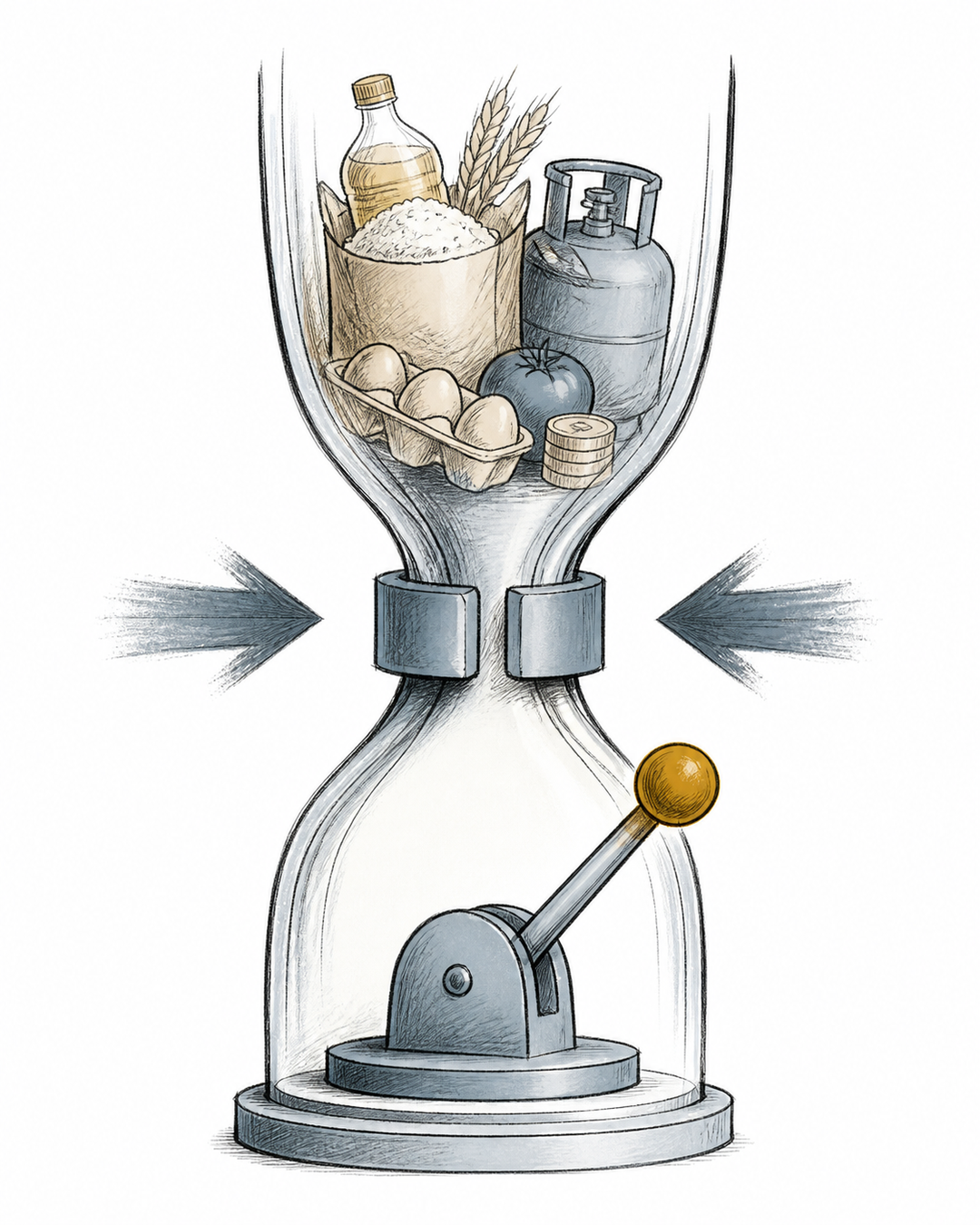
Overall, the continued rise in inflation has narrowed the RBI’s policy room, increasing the likelihood that it will begin tightening around the end of the year.