Enterprise AI Adoption Accelerates as Morgan Stanley Warns Compute Bottleneck Could Last for Years
The artificial intelligence boom is facing a problem that money alone cannot solve: a severe shortage of computing capacity that could limit the industry’s growth for years. Markets had previously been gripped by concerns about excess computing capacity and whether the AI sector’s huge capital spending could continue. But Morgan Stanley strategists say demand for AI compute is not the problem; supply is. Michelle Weaver, Morgan Stanley’s U.S. thematic research strategist, said companies are accelerating their adoption of AI, but constrained compute supply remains a bottleneck for industry growth. “Power bottlenecks, political bottlenecks and labor bottlenecks—these factors will continue to constrain compute supply over the next several years,” Weaver said. Her comments come as corporate AI adoption accelerates. Among companies in the S&P 500, 25% can now quantify measurable returns from their AI investments, up from 14% a year earlier. The shift suggests that corporate AI spending is moving beyond early experimentation and infrastructure building toward a stage in which the technology is generating tangible business value. At the same time, AI infrastructure is not short of financial backing. Weaver said data-center financing is plentiful, citing the $500 billion raised by Nvidia together with multiple Wall Street financial institutions for AI infrastructure as an example. Weaver identified two main causes of the compute bottleneck: a lack of workers needed to build data centers and insufficient electricity to power them. AI data centers consume enormous amounts of power, while new generation facilities, transmission networks and related infrastructure take years to build. Even after accounting for innovative power solutions such as repurposing bitcoin-mining facilities and using fuel cells, Weaver estimates that a 10% to 20% power shortfall remains. That means compute is likely to remain a constrained, high-value resource for the next several years. Even companies with enough money to buy AI chips and build data centers could be prevented from bringing that capacity online by shortages of electricity or labor. Political factors are also hindering the expansion of AI compute supply. Weaver said growing opposition to data centers as the midterm elections approach is creating an additional challenge for the industry. Data-center operators can partly ease consumer concerns about electricity bills and environmental issues by adjusting their construction and energy plans, she said. But as the midterm elections enter their final stages, political disputes over data-center construction could intensify.
Markets had previously been gripped by concerns about excess computing capacity and whether the AI sector’s huge capital spending could continue. But Morgan Stanley strategists say demand for AI compute is not the problem; supply is.
Michelle Weaver, Morgan Stanley’s U.S. thematic research strategist, said companies are accelerating their adoption of AI, but constrained compute supply remains a bottleneck for industry growth.
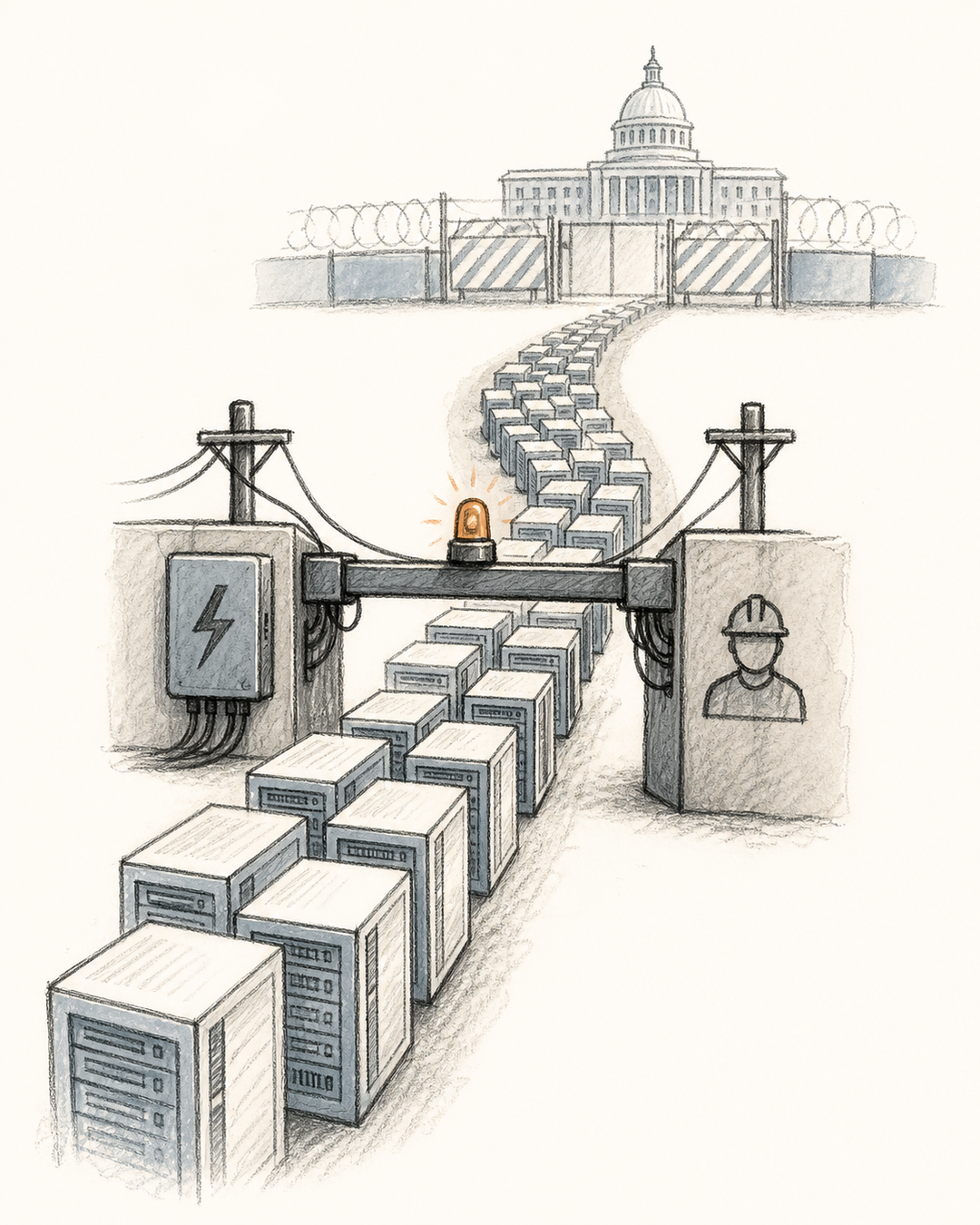
“Power bottlenecks, political bottlenecks and labor bottlenecks—these factors will continue to constrain compute supply over the next several years,” Weaver said.
Her comments come as corporate AI adoption accelerates. Among companies in the S&P 500, 25% can now quantify measurable returns from their AI investments, up from 14% a year earlier.
The shift suggests that corporate AI spending is moving beyond early experimentation and infrastructure building toward a stage in which the technology is generating tangible business value.
At the same time, AI infrastructure is not short of financial backing. Weaver said data-center financing is plentiful, citing the $500 billion raised by Nvidia together with multiple Wall Street financial institutions for AI infrastructure as an example.
Weaver identified two main causes of the compute bottleneck: a lack of workers needed to build data centers and insufficient electricity to power them.
AI data centers consume enormous amounts of power, while new generation facilities, transmission networks and related infrastructure take years to build. Even after accounting for innovative power solutions such as repurposing bitcoin-mining facilities and using fuel cells, Weaver estimates that a 10% to 20% power shortfall remains.
That means compute is likely to remain a constrained, high-value resource for the next several years. Even companies with enough money to buy AI chips and build data centers could be prevented from bringing that capacity online by shortages of electricity or labor.
Political factors are also hindering the expansion of AI compute supply. Weaver said growing opposition to data centers as the midterm elections approach is creating an additional challenge for the industry.
Data-center operators can partly ease consumer concerns about electricity bills and environmental issues by adjusting their construction and energy plans, she said. But as the midterm elections enter their final stages, political disputes over data-center construction could intensify.