Goldman’s Kaplan Says Fed Was ‘Absolutely’ Right Not to Raise Rates in July
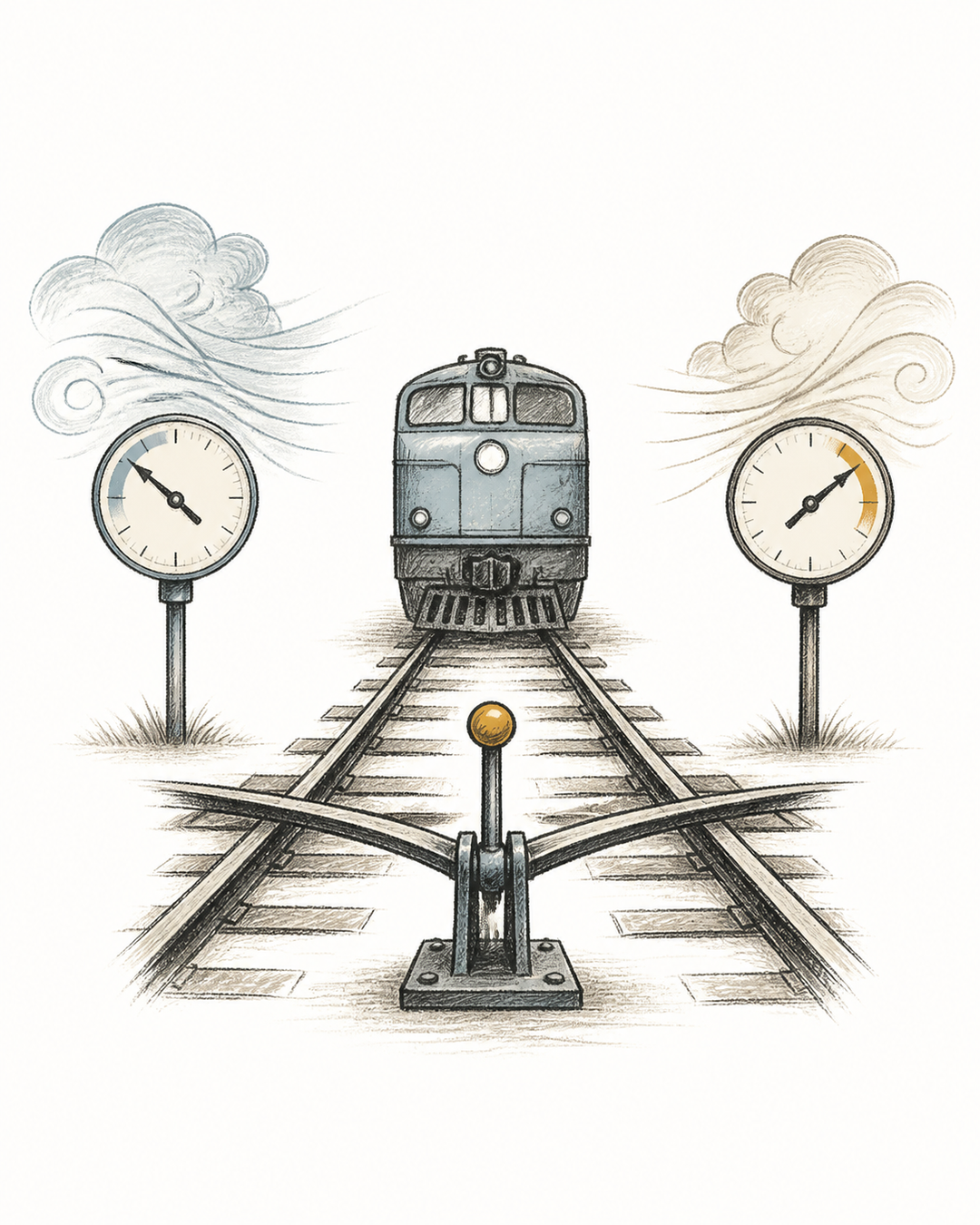
Goldman Sachs Vice Chairman and former Dallas Fed President Robert Kaplan said the Federal Reserve was “absolutely” right not to raise interest rates in July and urged policymakers to keep an open mind before September. He said forces pushing inflation higher and lower are currently intertwined, meaning overly rigid forward guidance could backfire. “If I saw tangible improvement, I might be willing to wait a little and do nothing,” Kaplan said in an interview Thursday. “But before making a judgment, I want to make full use of every bit of time between now and September and avoid being too rigid or locking in a position early.” Kaplan’s view has been shaped by his experience on Wall Street and as president of the Dallas Fed. He said forces currently pushing inflation higher include the buildup of artificial-intelligence infrastructure, with tariffs, labor constraints and a surge in oil prices adding to those pressures. At the same time, AI adoption and excess capacity are working in the opposite direction, reinforcing disinflationary trends. “If it weren’t for the war in Iran and the surge in oil prices—which I think pushed up overall inflation and fed through to other items—then I guess we might not even be discussing the possibility of a rate hike,” Kaplan said. The producer-price index released Thursday showed that U.S. wholesale inflation had slowed, further supporting his view. Kaplan said Fed Chair Kevin Warsh should use his speech at this month’s Jackson Hole symposium to briefly explain why the Fed held rates steady in July, rather than deliver only a “philosophical” address. Kaplan said the Fed has previously had a problem with overusing forward guidance, echoing criticism Warsh has made in the past. Kaplan is more concerned about the long end of the U.S. Treasury yield curve than about the federal funds rate itself. He said rising long-term yields around the world reflect a structural supply-demand imbalance caused by persistently high fiscal deficits, rather than the Fed’s policy itself. “In a strong economy, you would typically think the deficit would narrow, but the deficit isn’t narrowing,” he said.
“If I saw tangible improvement, I might be willing to wait a little and do nothing,” Kaplan said in an interview Thursday. “But before making a judgment, I want to make full use of every bit of time between now and September and avoid being too rigid or locking in a position early.”
Kaplan’s view has been shaped by his experience on Wall Street and as president of the Dallas Fed. He said forces currently pushing inflation higher include the buildup of artificial-intelligence infrastructure, with tariffs, labor constraints and a surge in oil prices adding to those pressures. At the same time, AI adoption and excess capacity are working in the opposite direction, reinforcing disinflationary trends.
“If it weren’t for the war in Iran and the surge in oil prices—which I think pushed up overall inflation and fed through to other items—then I guess we might not even be discussing the possibility of a rate hike,” Kaplan said. The producer-price index released Thursday showed that U.S. wholesale inflation had slowed, further supporting his view.
Kaplan said Fed Chair Kevin Warsh should use his speech at this month’s Jackson Hole symposium to briefly explain why the Fed held rates steady in July, rather than deliver only a “philosophical” address. Kaplan said the Fed has previously had a problem with overusing forward guidance, echoing criticism Warsh has made in the past.
Kaplan is more concerned about the long end of the U.S. Treasury yield curve than about the federal funds rate itself. He said rising long-term yields around the world reflect a structural supply-demand imbalance caused by persistently high fiscal deficits, rather than the Fed’s policy itself.
“In a strong economy, you would typically think the deficit would narrow, but the deficit isn’t narrowing,” he said.