Fed’s Hammack Flags Three Areas That Could Affect Financial Stability
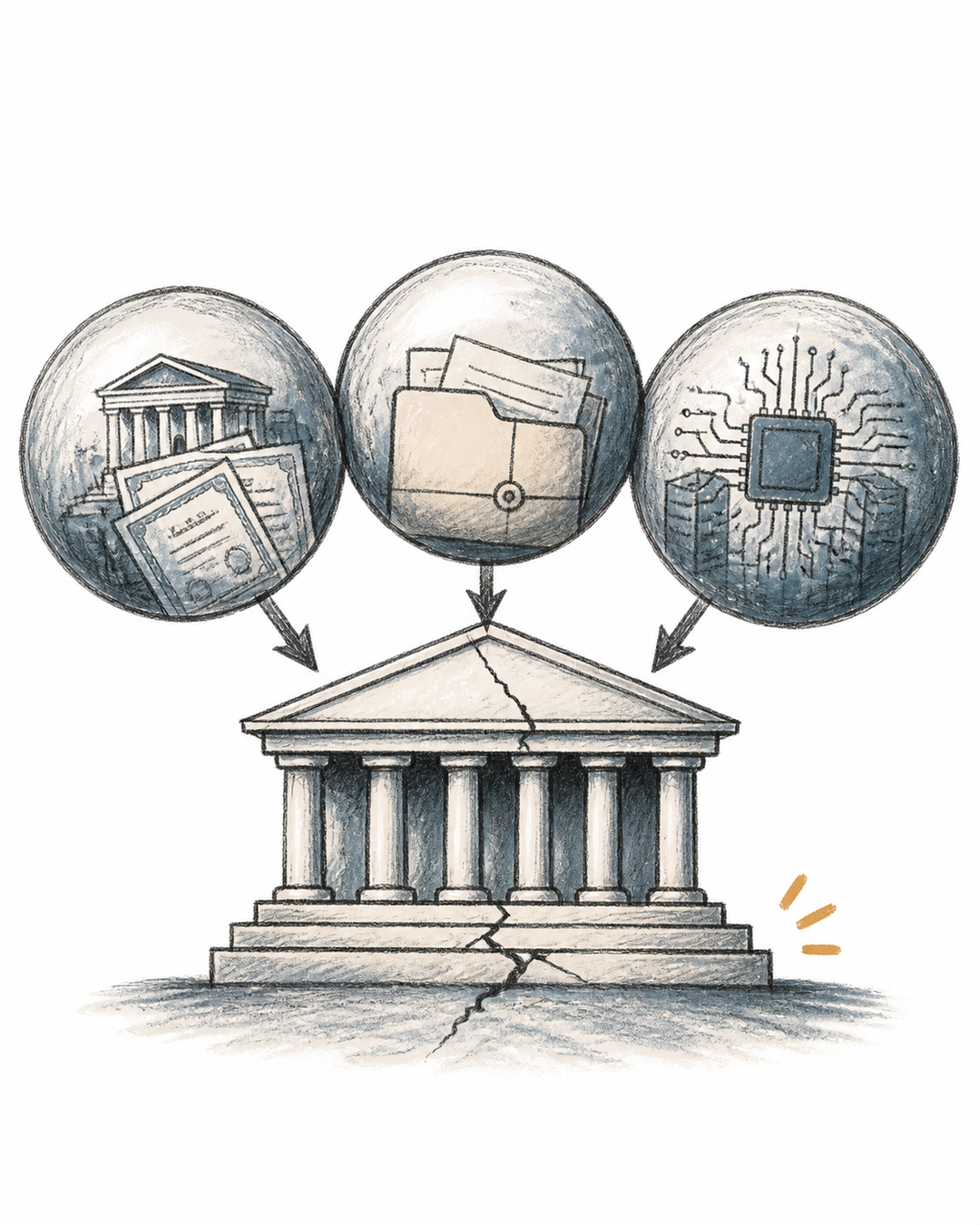
Cleveland Federal Reserve Bank President Beth Hammack said she is focused on three areas that could affect U.S. financial stability, including leverage in the Treasury market. Hammack made the comments Thursday at an event in Dayton, Ohio. “We have a lot of outstanding debt, and that debt is being purchased with a lot of leverage,” she said. “The buyers of that debt are, in fact, also borrowing money to buy the debt, so from that perspective, this could create some instability in the financial system,” she said. Hammack also said that, given the current situation in Congress, “I don't see signs of a significant return to fiscal discipline.” The growth of private credit is another area she is watching. In some respects, she said, that growth is a positive development because private credit has more stable sources of capital and does not face the risk of deposit-run-style redemptions that banks do. However, she said, “we lack sufficient transparency, and we don't know what credit standards these institutions are using when making some of these loans.” That could mean the sector contains more high-risk loans, she added. Hammack said the third area she is watching is the development of artificial intelligence. “There has been a lot of capital flowing into this area over a short period of time, which brings to mind the telecommunications infrastructure boom of the 1990s. Are we entering a bubble?” she said. She also said, “We're seeing these hyperscale technology companies borrow to finance their investments. If those investments ultimately aren't as profitable as they expect, could there be a pullback?” Hammack said all three areas are issues she is monitoring to assess how they could affect the financial system.
Hammack made the comments Thursday at an event in Dayton, Ohio. “We have a lot of outstanding debt, and that debt is being purchased with a lot of leverage,” she said.
“The buyers of that debt are, in fact, also borrowing money to buy the debt, so from that perspective, this could create some instability in the financial system,” she said.
Hammack also said that, given the current situation in Congress, “I don't see signs of a significant return to fiscal discipline.”
The growth of private credit is another area she is watching. In some respects, she said, that growth is a positive development because private credit has more stable sources of capital and does not face the risk of deposit-run-style redemptions that banks do.
However, she said, “we lack sufficient transparency, and we don't know what credit standards these institutions are using when making some of these loans.” That could mean the sector contains more high-risk loans, she added.
Hammack said the third area she is watching is the development of artificial intelligence.
“There has been a lot of capital flowing into this area over a short period of time, which brings to mind the telecommunications infrastructure boom of the 1990s. Are we entering a bubble?” she said.
She also said, “We're seeing these hyperscale technology companies borrow to finance their investments. If those investments ultimately aren't as profitable as they expect, could there be a pullback?”
Hammack said all three areas are issues she is monitoring to assess how they could affect the financial system.