Apple Reportedly Trains China-Specific AI Model as It Pursues Dual-Track Strategy
Apple has trained a large language model specifically for the Chinese market, according to media reports citing people familiar with the matter, in a significant shift in its China strategy. Apple’s AI features in China had previously relied mainly on third-party models. The sources said the model was developed by Apple in partnership with Alibaba Group, which provided training support. Because U.S. models such as OpenAI’s ChatGPT and Anthropic’s Claude are unavailable in China, Apple had previously tended to rely on domestic Chinese partners’ models to provide generative-AI capabilities on iPhones and other devices sold in the country. In other global markets, Apple has combined those U.S. models with its own technology. An Apple-developed model tailored to China could strengthen the company’s position in one of its most competitive markets. Industry observers have said China is critical to Apple’s performance, and the lack of AI features on the iPhone has widely been viewed as one of the key factors weighing on sales as consumers increasingly favor Chinese smartphones with built-in AI assistants. Domestic rivals including Huawei have already introduced AI-enabled phones and captured a significant share of the market. Apple’s Apple Intelligence suite is expected to launch officially in China in the coming months through subsequent iOS updates, according to people familiar with the matter. If the China-specific model is eventually deployed alongside Apple Intelligence, Apple could become the first foreign company to receive Chinese regulatory approval to offer its own AI model in the country. There is currently no confirmation that the China-specific model will be included in Apple Intelligence. Industry observers said Apple’s distinctive dual-track strategy could help it navigate China’s stringent regulatory requirements, which have previously made it difficult for many U.S. technology companies to enter the market. The approach involves developing a China-specific model while also integrating a domestic Chinese model to meet regulatory requirements for deployment. Apple Intelligence’s rollout in China has gone through a lengthy regulatory process. The service completed its filing process last month. China’s Cyberspace Administration completed the filing of Apple’s generative-AI service on July 8 and publicly disclosed it on July 15, removing a policy obstacle to Apple Intelligence’s first launch on iPhones in China. Media reports in July said that, under the filing arrangements, the Chinese version of Apple Intelligence would integrate Alibaba’s Qwen large language model into compatible iPhone, iPad, Mac and Vision Pro devices. The service had also previously been expected to include technology from Baidu. Last week, Apple published a Chinese-language support document explaining to eligible Mac users in mainland China how to connect Qwen to Siri and writing-tool features. The Mac-only arrangement had been seen as potentially helping Apple compete in China’s AI-PC market. Apple later removed the document without explanation.
The sources said the model was developed by Apple in partnership with Alibaba Group, which provided training support.
Because U.S. models such as OpenAI’s ChatGPT and Anthropic’s Claude are unavailable in China, Apple had previously tended to rely on domestic Chinese partners’ models to provide generative-AI capabilities on iPhones and other devices sold in the country. In other global markets, Apple has combined those U.S. models with its own technology.
An Apple-developed model tailored to China could strengthen the company’s position in one of its most competitive markets. Industry observers have said China is critical to Apple’s performance, and the lack of AI features on the iPhone has widely been viewed as one of the key factors weighing on sales as consumers increasingly favor Chinese smartphones with built-in AI assistants.
Domestic rivals including Huawei have already introduced AI-enabled phones and captured a significant share of the market.
Apple’s Apple Intelligence suite is expected to launch officially in China in the coming months through subsequent iOS updates, according to people familiar with the matter. If the China-specific model is eventually deployed alongside Apple Intelligence, Apple could become the first foreign company to receive Chinese regulatory approval to offer its own AI model in the country.
There is currently no confirmation that the China-specific model will be included in Apple Intelligence.
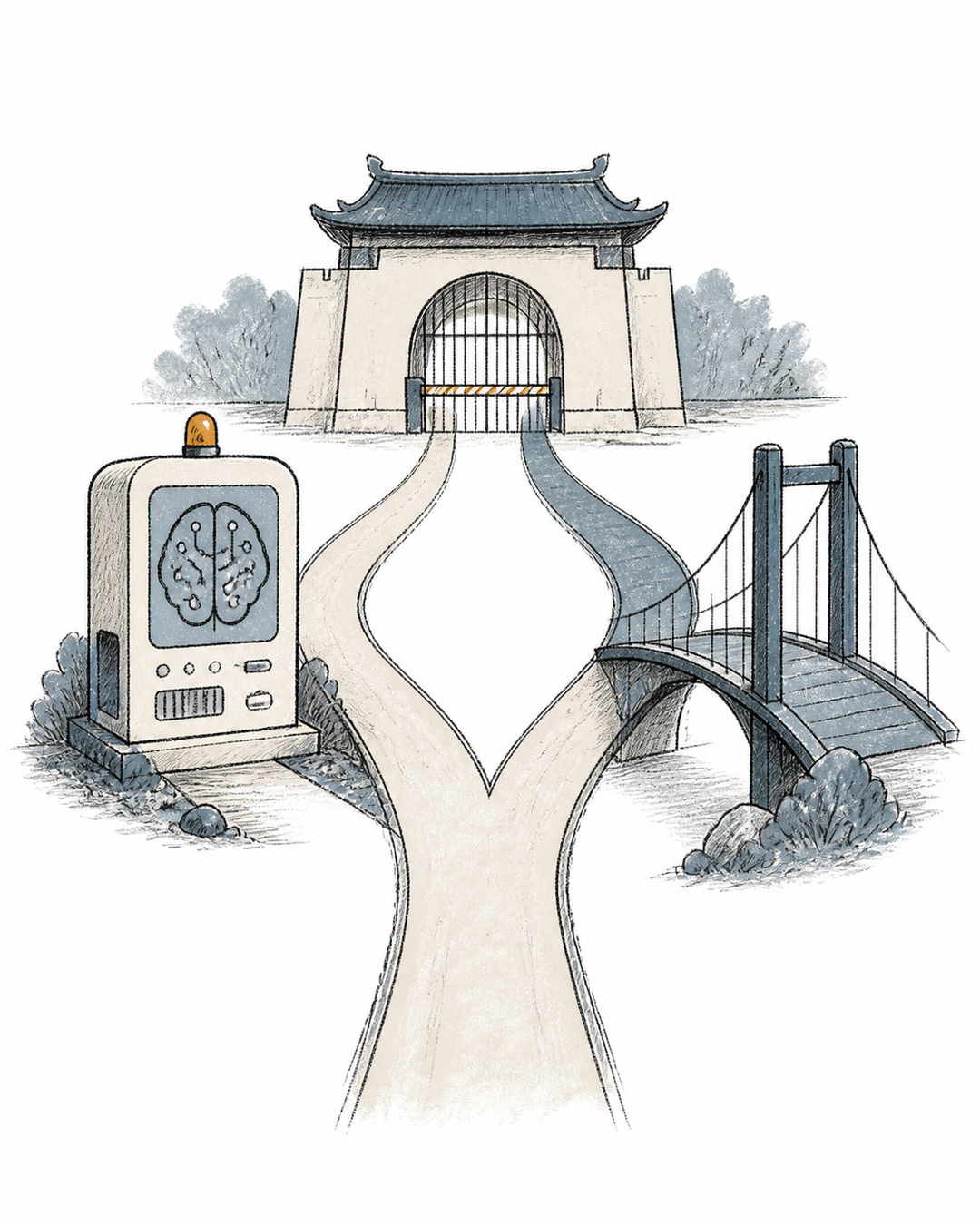
Industry observers said Apple’s distinctive dual-track strategy could help it navigate China’s stringent regulatory requirements, which have previously made it difficult for many U.S. technology companies to enter the market. The approach involves developing a China-specific model while also integrating a domestic Chinese model to meet regulatory requirements for deployment.
Apple Intelligence’s rollout in China has gone through a lengthy regulatory process. The service completed its filing process last month. China’s Cyberspace Administration completed the filing of Apple’s generative-AI service on July 8 and publicly disclosed it on July 15, removing a policy obstacle to Apple Intelligence’s first launch on iPhones in China.
Media reports in July said that, under the filing arrangements, the Chinese version of Apple Intelligence would integrate Alibaba’s Qwen large language model into compatible iPhone, iPad, Mac and Vision Pro devices. The service had also previously been expected to include technology from Baidu.
Last week, Apple published a Chinese-language support document explaining to eligible Mac users in mainland China how to connect Qwen to Siri and writing-tool features. The Mac-only arrangement had been seen as potentially helping Apple compete in China’s AI-PC market. Apple later removed the document without explanation.