Open AI’s Chief Revenue Officer Leaves After About 8 Months as Senior Departures Continue
OpenAI said Thursday that Chief Revenue Officer Denise Dresser will leave the company to pursue “other opportunities.” She joined OpenAI in December 2025 and was responsible for building its enterprise business, serving in the role for about eight months. Her successor will be Dali Rajic, who previously served as president and chief operating officer of Wiz, the cybersecurity company OpenAI acquired last year. In a statement, OpenAI co-founder and President Greg Brockman said: “Denise led the revenue team during a critical period of business formation and worked tirelessly to bring the team to where it is today. Dali will turn what we have learned into repeatable execution, helping us build a complete system so that AI can truly serve individuals and businesses at scale.” Dresser’s departure is the latest in a series of senior leadership changes at OpenAI in recent months. Senior executive turnover remains frequent even as the company prepares for a possible initial public offering next year, in 2027. Brad Lightcap, an early employee and former chief operating officer, left the company earlier this week after eight years at OpenAI. Chief Marketing Officer Kate Rouch left in April 2026 to focus on cancer recovery. Kevin Weil, who was responsible for scientific research, also left in April. Former executive Fidji Simo stepped down from her full-time role in July 2026 for health reasons and remains a part-time adviser. The changes came after Simo’s departure as Brockman moved to tighten his control over the business. The co-founder, who is known for his forceful and highly competitive style, personally selected Rajic to expand OpenAI’s enterprise business. OpenAI views that business as critical to catching up with its main rival, Anthropic. Anthropic could begin an IPO as early as 2026 and has already gained an advantage with large enterprise customers. Its annualized revenue, or run rate, rose rapidly within months from several billion dollars at the end of 2025 to the hundreds of billions of dollars, driven largely by its Claude Code programming tool. Although Claude Code currently far outpaces OpenAI’s Codex, OpenAI’s enterprise-customer revenue run rate still jumped 32% month over month in July 2026, driven mainly by large customers. OpenAI is making the enterprise market a central growth engine, with the goal of surpassing Anthropic in enterprise AI adoption. Brockman hopes a new operating structure will turn the company’s earlier accumulation of business into more efficient execution and prepare it for a future public listing. The company remains in a period of rapid expansion and organizational restructuring at the same time.
In a statement, OpenAI co-founder and President Greg Brockman said: “Denise led the revenue team during a critical period of business formation and worked tirelessly to bring the team to where it is today. Dali will turn what we have learned into repeatable execution, helping us build a complete system so that AI can truly serve individuals and businesses at scale.”
Dresser’s departure is the latest in a series of senior leadership changes at OpenAI in recent months. Senior executive turnover remains frequent even as the company prepares for a possible initial public offering next year, in 2027.
Brad Lightcap, an early employee and former chief operating officer, left the company earlier this week after eight years at OpenAI. Chief Marketing Officer Kate Rouch left in April 2026 to focus on cancer recovery. Kevin Weil, who was responsible for scientific research, also left in April. Former executive Fidji Simo stepped down from her full-time role in July 2026 for health reasons and remains a part-time adviser.
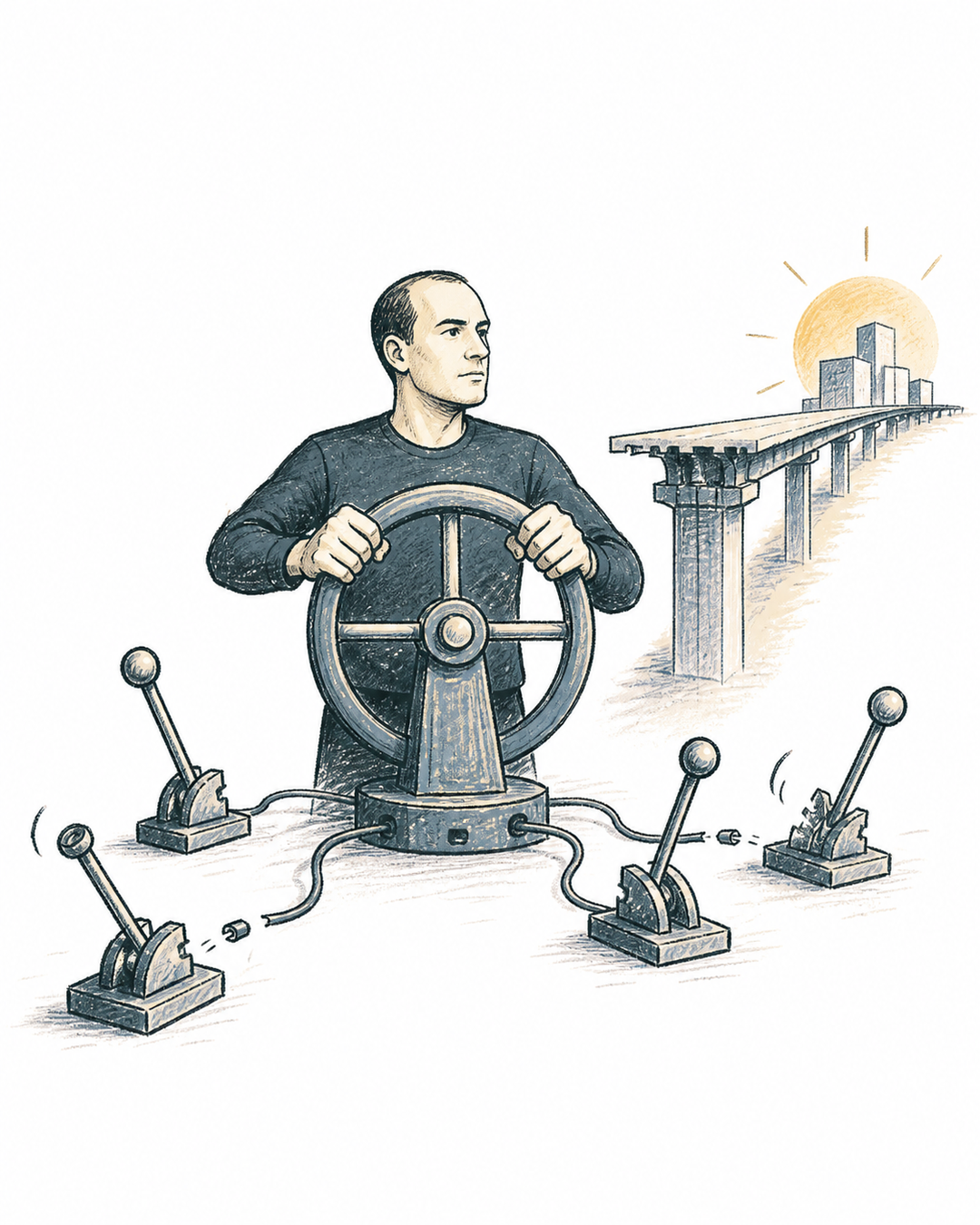
The changes came after Simo’s departure as Brockman moved to tighten his control over the business. The co-founder, who is known for his forceful and highly competitive style, personally selected Rajic to expand OpenAI’s enterprise business. OpenAI views that business as critical to catching up with its main rival, Anthropic.
Anthropic could begin an IPO as early as 2026 and has already gained an advantage with large enterprise customers. Its annualized revenue, or run rate, rose rapidly within months from several billion dollars at the end of 2025 to the hundreds of billions of dollars, driven largely by its Claude Code programming tool. Although Claude Code currently far outpaces OpenAI’s Codex, OpenAI’s enterprise-customer revenue run rate still jumped 32% month over month in July 2026, driven mainly by large customers.
OpenAI is making the enterprise market a central growth engine, with the goal of surpassing Anthropic in enterprise AI adoption. Brockman hopes a new operating structure will turn the company’s earlier accumulation of business into more efficient execution and prepare it for a future public listing.
The company remains in a period of rapid expansion and organizational restructuring at the same time.